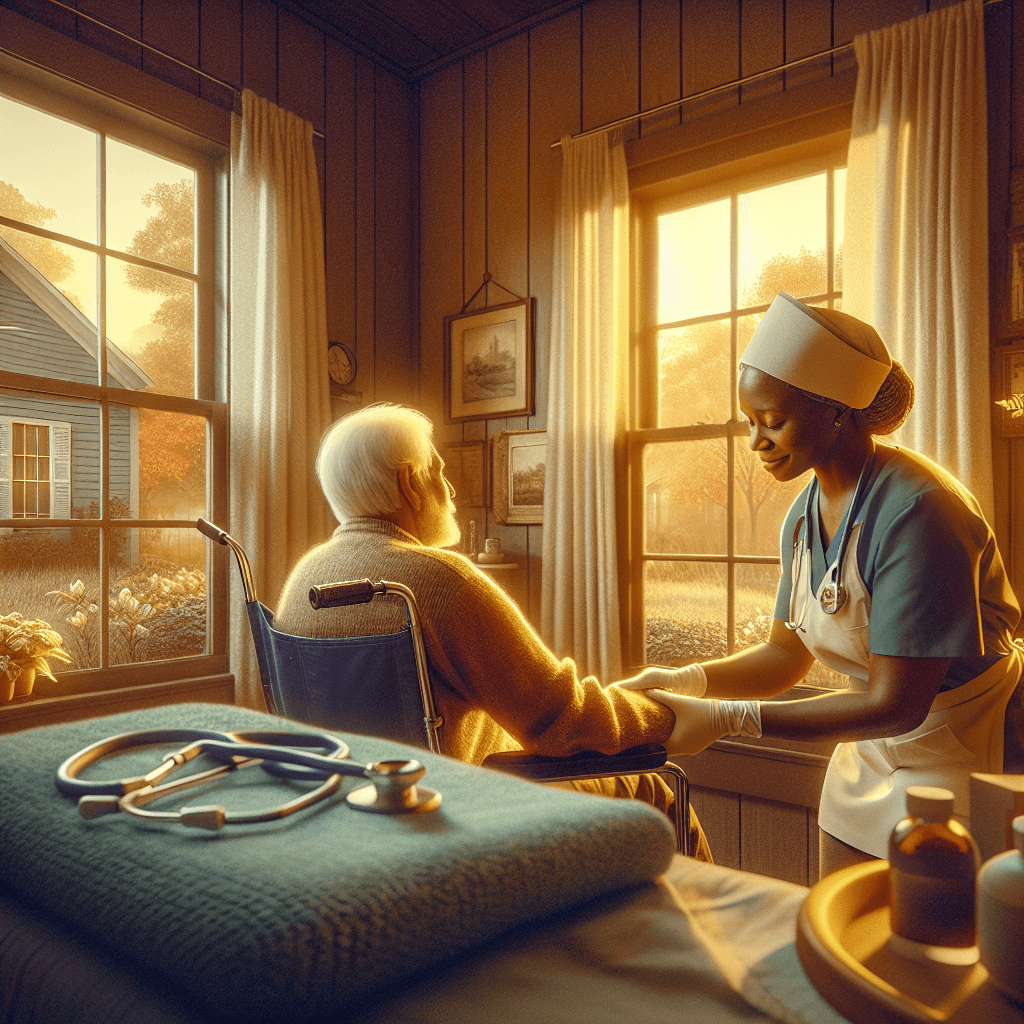
Welcome to our exploration of home health care in North Carolina, where we dive into the essential role this service plays in the lives of seniors and individuals with chronic conditions. As the demand for quality and compassionate care grows, more residents are seeking options that allow them to enjoy the comforts of home while receiving the support they need. We’re excited to discuss the range of skilled nursing care and in-home caregivers available to North Carolinians, ensuring everyone can access personalized and supportive care right at their doorstep. Join us as we uncover how these services are transforming home health care experiences throughout the state, empowering residents with comfort and confidence.
Understanding Home Health Care in North Carolina
In recent years, home health care North Carolina has become an essential pillar of support for individuals seeking quality healthcare services in the comfort of their own homes. With the aging population on the rise and more people living with chronic conditions, there’s an increasing demand for personalized care solutions that ensure safety, comfort, and a higher quality of life.
What is Home Health Care?
Home health care encompasses a broad range of medical and therapeutic services delivered directly to individuals within their own homes. This includes skilled nursing care, physical and occupational therapy, and personal care assistance. It caters particularly to seniors, individuals managing chronic health conditions, and those recovering post-surgery, ensuring that they receive the necessary medical attention without the need for hospital stays.
Key Trends and Statistics
North Carolina is experiencing a notable increase in its senior population, leading to heightened demand for home care services. The home care sector not only plays a crucial role in delivering healthcare solutions but also considerably contributes to the state’s economy by creating jobs and aiding the local workforce.
How to Qualify for Home Health Services
Eligibility for home health services typically requires a physician’s order, the patient being homebound, and a documented need for skilled services. Various insurance options, including Medicare and Medicaid, often cover these services, but it is important to verify the specifics based on individual insurance plans.
Skilled Nursing Care at Home: What You Need to Know
When it comes to providing skilled nursing care at home, understanding the breadth and depth of services offered can guide families and patients in making informed decisions. Skilled nursing care is distinguished by its medically intensive procedures and is performed by licensed nurses or therapists.
What is Skilled Nursing Care?
This type of care goes beyond basic assistance, involving clinical services such as administering medications, IV therapy, wound care, and monitoring health conditions. The delivery of these services in a home setting ensures patients receive timely and personalized care, contributing to faster recovery and reducing hospital readmissions.
Benefits of Skilled Nursing Care in the Home Environment
- Fosters a safe recovery by minimizing exposure to infections commonly encountered in institutional settings.
- Provides customized attention and carefully tailored interventions that support comprehensive disease management and medication oversight.
Common Services Provided by Skilled Nurses
- Skilled nurses offer essential services that include wound care, medication administration, IV therapy, patient rehabilitation, and continuous health monitoring, ensuring a holistic approach to patient wellness at home.
In-Home Caregivers NC: Personalized Help for Daily Life
Choosing in-home caregivers NC allows individuals in North Carolina to benefit from tailored care that addresses daily life activities while still enjoying the comfort and familiarity of their home environments.
Who Are In-Home Caregivers?
- In-home caregivers are trained professionals skilled in providing either medical or non-medical care depending on the needs of the patient. They are integral in helping with daily tasks that promote independence and quality of life.
Services Provided by In-Home Caregivers
- In-home caregivers assist with activities of daily living (ADLs), such as bathing, dressing, meal preparation, and mobility support, ensuring that individuals maintain a level of self-sufficiency.
- They also provide companionship, transportation, and light housekeeping, playing a significant role in enhancing social engagement and mental well-being.
Choosing the Right In-Home Caregiver in North Carolina
- When selecting a caregiver, it is crucial to consider factors such as the caregiver’s experience, training, agency background checks, and patient compatibility. Asking pertinent questions during the interview process can help families find the best fit for their loved ones.
Understanding Home Health Care in North Carolina
What is Home Health Care?
Home health care is a comprehensive, compassionate solution for those who need medical and personal assistance within their own homes. It encompasses a variety of services, including skilled nursing, therapy, and personal care, aimed at supporting individuals with varying needs. Primarily, it benefits seniors, people with chronic conditions, and those recovering post-surgery, allowing them to access medical services and personal support right at their doorstep.
Key Trends and Statistics
In North Carolina, the demand for home health care is on the rise, driven by a growing aging population. This demographic shift underscores the increasing need for quality in-home care services. As more individuals choose to age in place, the industry contributes significantly to both employment and the state’s economy. The trend reflects not only the necessity but also the resilience and adaptability of the healthcare system in addressing evolving care needs.
How to Qualify for Home Health Services
Eligibility for home health care often requires a physician’s order, highlighting the necessity of skilled nursing or therapy services. Additionally, patients generally need to be classified as “homebound,” making it challenging to leave their residence without assistance. Understanding the financial aspect, there’s a variety of insurance and payment options available to ease access to these vital services. Navigating these can sometimes be complex, but with guidance, families can find suitable options that align with their care needs and financial planning.
Simplifying Access and Ensuring Quality
Making informed choices about home health care services in North Carolina involves understanding the nuances of both service eligibility and quality assurance. As more individuals seek personalized care plans, resources like online portals and local healthcare providers can offer valuable insights into available options. Importantly, ensuring high-quality care involves a blend of expert medical knowledge and genuine compassion from caregivers, skilled nurses, and support staff alike. Whether through skilled nursing care at home or the assistance of dedicated in-home caregivers, North Carolina residents can enjoy peace of mind knowing that comprehensive, empathetic support is within reach.
- Understand the definitions and core services of home health care.
- Get a grasp on the financial and insurance details surrounding home healthcare services.
- Learn the benefits of choosing home health care for a more holistic and personalized approach.
- Embrace the shift towards aging in place with confidence and access to needed resources.
For families considering these services, a personalized approach ensures that care not only meets medical standards but also respects the individual’s lifestyle, promoting independence and dignity. The evolving landscape of home health care in North Carolina is paving the way for innovative solutions and a more comfortable, supportive environment for those in need.
Conclusion
In the realm of healthcare solutions, home health care in North Carolina stands as a pivotal option, offering an enriching alternative to traditional health facilities. The landscape of care is transforming as more residents recognize the advantages of bringing skilled nursing and personalized caregiving into their homes. By opting for skilled nursing care at home, individuals can benefit from enhanced recovery rates, meticulous chronic disease management, and a comforting environment that only home can provide. Similarly, with in-home caregivers NC, families are empowered to maintain the quality of life for their loved ones, ensuring assistance with everyday activities while fostering a sense of independence.
As we’ve explored, navigating choices in home care requires thoughtful consideration and understanding of one’s specific needs, whether they demand comprehensive medical attention or supportive assistance with daily tasks. It is imperative to engage with professionals and resources that align with your care values and expectations, thus enabling a proactive embrace of comfort and security at home. For residents of North Carolina, making the right home care decision is about more than convenience—it’s about preserving dignity and nurturing well-being in the most familiar setting.
How to Qualify for Home Health Services
Navigating the eligibility criteria for accessing Home health care in North Carolina can initially appear daunting, yet it’s an essential step for receiving the support needed in one’s home environment. Understanding whether you qualify involves a few components, each crucial to ensuring the right level of care is received.
Eligibility Criteria
Firstly, a physician’s order is typically required to initiate home health care services. This medical directive confirms the necessity of in-home care, ensuring that it’s both appropriate and beneficial based on individual health circumstances. Additionally, patients generally need to exhibit a “homebound” status, indicating that leaving home without assistance is either challenging or medically inadvisable.
Skilled Services Requirement
The need for skilled services—comprised of nursing or physical, occupational, or speech therapy—is another pivotal eligibility aspect. These services are designed for individuals requiring professional, intermittent medical or therapeutic support due to ongoing health conditions or recovery from surgery.
Insurance and Payment Options
Understanding the financial aspects is equally important. Several insurance plans, including Medicare and Medicaid, cover home health care services provided specific conditions are met. Private insurance plans might also offer coverage; however, benefits can vary significantly. It’s advisable to review policy details or contact the insurance provider to clarify coverage specifics.
Exploring the avenues for skilled nursing care at home provides families the opportunity to plan and secure essential health services while ensuring loved ones are in qualified hands. Similarly, understanding these requisites offers peace of mind, knowing that eligibility for personalized care is established clearly from the start. By adhering to these guidelines, residents can access and fully benefit from dedicated and compassionate health care services right in their own homes.
Home Health Care North Carolina: Skilled Nursing Care and In-Home Caregivers in NC
Introduction
Welcome to the evolving landscape of home health care in North Carolina, where the need for quality, compassionate care at home continues to grow. As more seniors and individuals with chronic conditions seek options that allow them to receive care in the comfort of their own home, the importance of skilled nursing and in-home caregivers becomes increasingly significant. Whether you’re exploring home health care in North Carolina or considering in-home caregiver services, this guide will help you navigate the many personalized care options available.
Understanding Home Health Care in North Carolina
What is Home Health Care?
- Home health care provides medical services such as skilled nursing, therapy, and personal care tailored to meet individual needs.
- This type of care benefits seniors, individuals with chronic health conditions, and those recovering from surgery.
Key Trends and Statistics
- The growing aging population in North Carolina has led to increased demand for home care services.
- Home care significantly contributes to employment and the economy, providing vital services to those in need.
How to Qualify for Home Health Services
- To be eligible, a physician’s order is generally required, along with a “homebound” status and a need for skilled services.
- Various insurance and payment options are available to support access to these essential services.
Skilled Nursing Care at Home: What You Need to Know
What is Skilled Nursing Care?
- Skilled nursing care is defined by medical services provided by licensed nurses, which distinguish it from other levels of care.
- These services, often including therapy, are delivered in the comfort of your own home.
Benefits of Skilled Nursing Care in the Home Environment
- Receiving skilled nursing care at home can lead to faster recovery, reduced infection risks, and personalized patient attention.
- This care also supports effective management of chronic diseases and precise medication oversight.
Common Services Provided by Skilled Nurses
- Skills such as wound care, IV therapy, medication administration, rehabilitation, and patient monitoring are typically offered.
In-Home Caregivers NC: Personalized Help for Daily Life
Who Are In-Home Caregivers?
- In-home caregivers are trained and qualified professionals who provide various levels of care, both medical and non-medical.
- They differ in the scope of services they offer, ranging from basic daily assistance to more complex medical tasks.
Services Provided by In-Home Caregivers
- They assist with activities of daily living (ADLs) such as bathing, dressing, meal preparation, and mobility.
- Caregivers also offer companionship, help with transportation, and perform light housekeeping tasks.
Choosing the Right In-Home Caregiver in North Carolina
- Families should seek caregivers with strong credentials and verify their qualifications.
- Key considerations include asking pertinent questions during interviews and consulting references from past clients.
Caring for North Carolina: Making the Right Home Care Choice
Making an informed choice about home health care, skilled nursing, or in-home caregiver services is crucial for ensuring comfort and safety. By taking proactive steps, residents can maintain their independence and enjoy peace of mind, knowing they or their loved ones are well cared for.
FAQs
What are the qualifications for home health care in North Carolina?
To qualify for home health care in North Carolina, individuals generally need a physician’s order, must be considered “homebound,” and require skilled nursing or therapy services on an intermittent basis. Eligibility can also depend on insurance and medical necessity.
What is the difference between skilled nursing care and in-home caregiving?
Skilled nursing care involves medical services provided by licensed nurses such as wound care, medication administration, and monitoring of chronic conditions. In-home caregiving usually covers non-medical assistance with daily activities, companionship, and personal care.
How do I choose the best in-home caregiver in North Carolina?
Look for caregivers or agencies with strong credentials, positive reviews, and comprehensive background checks. Ask about experience, training, and how they handle emergencies. Personal interviews and references from other families can also help in making an informed decision.