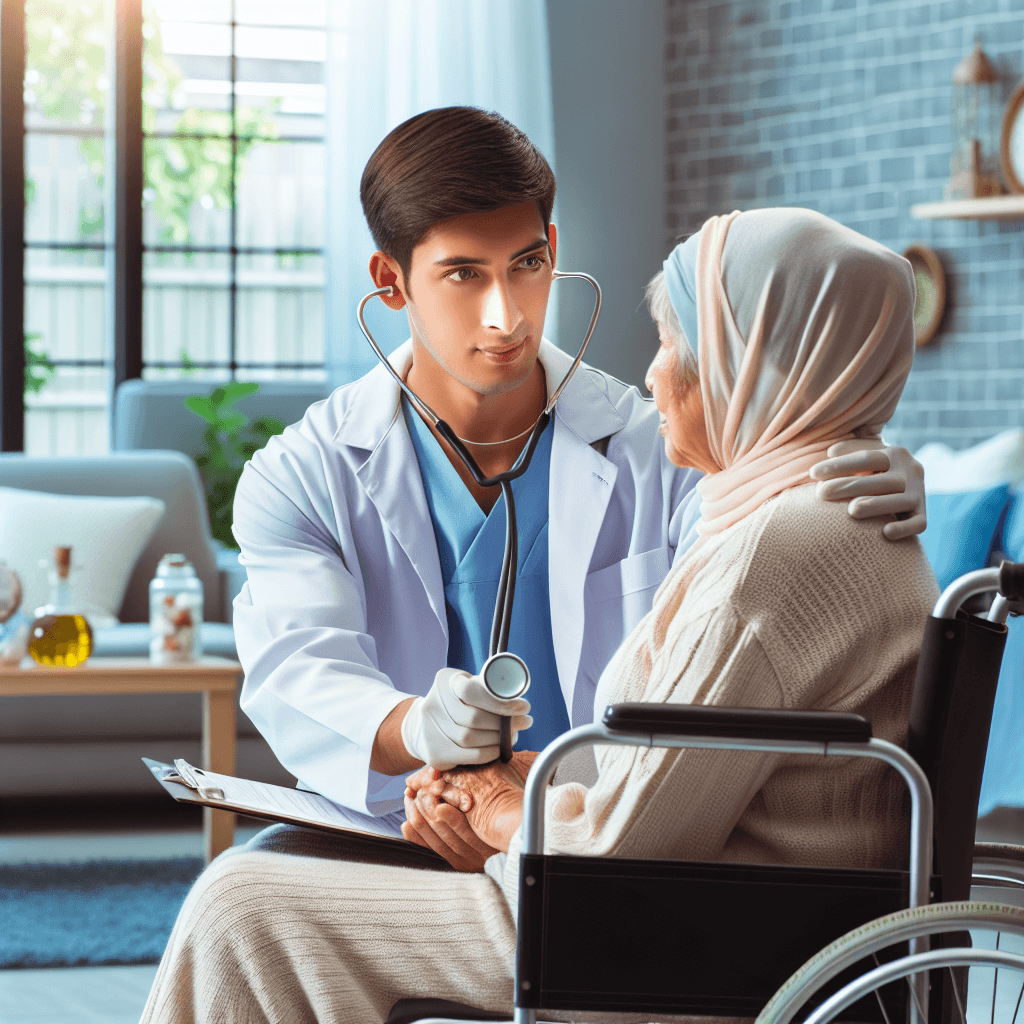
Imagine finding the perfect blend of independence, comfort, and professional medical support all in the warmth of your own home. For residents across North Carolina, [home health care](https://homecarevista.com/) is making this vision a reality. By exploring specialized home health care options, families can make well-informed decisions that cater to their unique needs or those of their loved ones. In this journey, we’ll navigate through essential services, delve into [skilled nursing care at home](https://homecarevista.com/), and highlight the pivotal role of [in-home caregivers NC](https://homecarevista.com/). Whether you’re seeking care for yourself or a family member, finding the right support is just a step away.
- Home Health Care in North Carolina: A Closer Look
- What Is Home Health Care in North Carolina?
- Conclusion: Embracing Home Health Care Solutions in North Carolina
- Roles of In-Home Caregivers
- FAQs
- Introduction: Bringing Compassionate Care Home in North Carolina
- What Is Home Health Care in North Carolina?
- Skilled Nursing Care at Home: Professional Support for Complex Needs
- In-Home Caregivers NC: Daily Support and Comfort for Every Stage
- Caring for North Carolina: Your Next Steps to Home Health Success
Home Health Care in North Carolina: A Closer Look
Navigating the realm of home health care in North Carolina brings a sense of relief and empowerment to individuals and families needing medical support in the comfort of their own homes. Home health care North Carolina offers an array of medical and non-medical services tailored to meet the diverse needs of the state’s residents. This comprehensive care solution ensures individuals can age gracefully or manage chronic conditions without leaving their familiar environment.
Defining Home Health Care
At its core, home health care encompasses both medical and non-medical services delivered directly to a patient’s residence. This approach is particularly beneficial for those recovering from illnesses, managing chronic conditions, or wanting to maintain their independence while receiving essential assistance. It offers an alternative to prolonged hospital stays or moving to assisted living facilities.
- Medical support typically includes skilled nursing services, such as medication administration, wound care, and post-operative recovery.
- Non-medical assistance focuses on daily living activities, personal care, and companionship, significantly enriching the quality of life for recipients.
Eligibility and Conditions
Eligibility for home health care services is often influenced by specific medical conditions, family circumstances, and financial considerations. It is vital to evaluate the types of conditions suitable for home health services. Chronic diseases like diabetes, heart conditions, and musculoskeletal disorders often thrive under home-based supervision, leading to better patient outcomes and satisfaction.
Benefits for North Carolina Residents
Residents across North Carolina find several compelling advantages in opting for home health care. The ability to remain in a familiar environment is psychologically beneficial, promoting healing and well-being. Additionally, home health care is known to significantly reduce hospital readmissions by providing timely interventions and close monitoring of complex medical conditions.
Medicare and Medicaid Support
Understanding financial assistance options is crucial for anyone considering home health care. Medicare and Medicaid offer substantial coverage for eligible individuals, ensuring necessary medical services and support are accessible and affordable. Programs such as CAP-DA and CAP-C provide additional layers of support for both adults and children, streamlining access to essential services without undue financial strain.
Ultimately, pursuing home health care is a step toward compassionate living, empowering North Carolina residents with the comfort and care they need while staying rooted in their communities. With access to financial help and diverse service options, families can make informed decisions that best suit their loved ones’ needs.
What Is Home Health Care in North Carolina?
Understanding the intricacies of home health care in North Carolina is crucial for families seeking the best support for their loved ones. This form of care delivers a range of medical and non-medical services directly into the comfort of one’s home, making it an attractive option for those who require assistance but value their independence. But what exactly does home health care entail, and who can benefit most from these services?
Defining Home Health Care
At its core, home health care encompasses both skilled medical treatment and non-medical assistance tailored to meet patients’ individual needs. This could range from nursing care and rehabilitation therapies to more general support like help with daily activities and companionship. Patients and families must meet specific eligibility requirements, often centered around medical necessity and mobility challenges, to receive these services.
- Medical and non-medical support delivered at home
- Eligibility requirements for patients and families
- Types of conditions and situations suited for home health services
Key Benefits for North Carolina Residents
The benefits of home health care are significant, offering more than just convenience. For residents of North Carolina, these services help maintain independence and comfort, reduce hospital readmissions, and support the management of chronic conditions, making them a comprehensive solution for long-term health management.
- Maintaining independence and comfort
- Reducing hospital readmissions and complications
- Supporting chronic condition management
Medicare and Medicaid Coverage for Home Health Care
Navigating the financial landscape of home health care can be daunting. Fortunately, programs like Medicare and Medicaid offer substantial support. In North Carolina, programs such as CAP-DA (Community Alternatives Program for Disabled Adults) and CAP-C (Community Alternatives Program for Children) provide specialized funding, ensuring that both adults and children receive the care they need. Understanding the coverage criteria and how to access these financial resources is a vital step in securing the required services.
- Overview of coverage criteria
- Programs like CAP-DA and CAP-C for adults and children
- How families can access financial support for home-based services
With these insights, families across North Carolina are better equipped to explore their options and make informed decisions about home health care. By leveraging available resources and understanding the benefits, residents can create a nurturing environment that promotes well-being and independence for themselves and their loved ones.
Conclusion: Embracing Home Health Care Solutions in North Carolina
Navigating the realm of home health care in North Carolina is a journey marked by personalized and compassionate support, designed to enhance the quality of life for residents across the state. By leveraging the benefits of skilled nursing care at home and engaging with well-trained in-home caregivers NC, families can ensure the best possible outcomes for their loved ones while maintaining comfort and dignity in familiar surroundings.
As North Carolina continues to expand its home health care options, understanding the nuanced services and financial supports available becomes paramount for making informed choices. From securing Medicaid and Medicare benefits to identifying specialized programs for children, veterans, and disabled adults, these resources are critical for providing holistic care. The strategic integration of technology and interdisciplinary teams underscores the commitment to delivering exceptional care that adapts to the complexities of individual health needs.
Ultimately, the transition to home-based care requires thoughtful consideration and proactive planning. By staying informed and accessing the right guidance, families can navigate this journey with confidence. Let your next steps be informed, compassionate, and aligned with the health goals of you or your loved ones in North Carolina. Embrace the possibilities of home health care and embark on a path toward independence, comfort, and well-being.
Roles of In-Home Caregivers
Navigating the landscape of In-home caregivers NC is an essential step toward ensuring well-being and comfort for those desiring to age in place or manage care at home. These caregivers are much more than aides; they offer critical support that touches on numerous aspects of daily life, encompassing both physical and emotional realms.
First and foremost, in-home caregivers assist with everyday activities like bathing, dressing, and grooming. Their role is empowering; they enable individuals to maintain dignity and independence while ensuring that safety and daily hygiene needs are met. Moreover, caregivers provide heartfelt companionship, a critical element that prevents loneliness and fosters mental wellness. Whether through shared stories, conversations, or a simple presence in the home, caregivers create connections that uplift the heart.
Managing a household becomes significantly seamless with the help of these dedicated professionals. Caregivers extend their expertise to meal preparation, cleaning, and running errands, turning potential task burdens into moments of relief and support. They tailor their approach to each household’s unique rhythms and preferences, fostering an environment of peace and ease.
When it comes to family caregivers, respite care offered by in-home professionals can be life-changing. It allows family members the crucial time to recharge, ensuring they can continue to be supportive and present for their loved ones without experiencing overwhelming fatigue or stress. This facet of caregiving ensures that everyone involved in the care loop remains healthy and emotionally balanced.
Choosing the Right In-Home Caregiver in North Carolina
Selecting an appropriate caregiver involves careful consideration and informed decision-making. Evaluating qualifications and training standards is paramount; North Carolina’s stringent certification protocols ensure only the most reliable candidates are available. Families are encouraged to delve into the caregiver’s background, seeking individuals trained to cater to specific health needs relevant to the household.
Engaging in candid interviews is a strategic step in selecting a caregiver who aligns with the family’s expectations. Key questions about their experience, approach to emergency situations, and willingness to collaborate with medical teams can provide invaluable insights. It’s also advisable to explore how caregivers plan to incorporate family feedback into care strategies to ensure a harmonious relationship once services commence.
Coordinating care through Medicaid, community programs, and accessing financial supports aids in seamlessly integrating caregivers into home life. By tapping into available resources, families can cushion the financial burden while gaining essential assistance, ensuring that everyone has equitable access to these invaluable services.
Specialized Care: Pediatric, Veteran, and Disability Support
The scope of in-home caregiving extends well beyond general needs, encompassing specialized programs for children with medical conditions, veterans, and disabled adults. Pediatric caregiving programs are designed to focus on growth and developmental milestones, ensuring a nurturing environment for young ones to thrive. Similarly, veteran benefits underscore the importance of honoring those who served with tailored services that address health and mobility challenges.
For adults living with disabilities, community resources are crucial pathways to an enriched life at home. Through collaborative efforts with caregivers, these resources offer not just day-to-day assistance but also a connection to the community, empowering individuals to lead more fulfilling, engaged lives.
In-home caregivers play a pivotal role in weaving a seamless support network, one that fosters health, independence, and joy within the home. As you consider your options in North Carolina, remember that these caregivers are your partners, dedicated to creating spaces where individuals can live comfortably and confidently at every life stage.
FAQs
What services are included in home health care in North Carolina?
Home health care includes skilled nursing, therapy, assistance with daily living activities, medication management, and support for chronic conditions. Many agencies also offer rehabilitation, social work, and respite care services.
How do I qualify for skilled nursing care at home?
To qualify, patients must typically be “homebound,” require intermittent skilled nursing or therapy, and have a physician referral. Eligibility may vary depending on insurance, Medicaid, or Medicare coverage.
What is the difference between in-home caregivers and home health aides?
In-home caregivers often focus on personal care, companionship, and household tasks, while home health aides work under medical supervision, assisting with direct health-related needs and supporting skilled nursing care.
Introduction: Bringing Compassionate Care Home in North Carolina
Discover how residents across North Carolina are finding independence, comfort, and professional medical support through specialized home health care North Carolina options. This outline explores the essential services, skilled nursing care at home, and the role of in-home caregivers, helping families make informed decisions about care for themselves or loved ones.
What Is Home Health Care in North Carolina?
Defining Home Health Care
- Medical and non-medical support delivered at home
- Eligibility requirements for patients and families
- Types of conditions and situations suited for home health services
Key Benefits for North Carolina Residents
- Maintaining independence and comfort
- Reducing hospital readmissions and complications
- Supporting chronic condition management
Medicare and Medicaid Coverage for Home Health Care
- Overview of coverage criteria
- Programs like CAP-DA and CAP-C for adults and children
- How families can access financial support for home-based services
Skilled Nursing Care at Home: Professional Support for Complex Needs
Services Provided by Skilled Nurses
- Medication management and education
- Pain control and wound care
- Rehabilitation therapies: physical, occupational, and speech
- Post-hospitalization care and chronic illness support
How Skilled Nursing Care Improves Outcomes at Home
- Personalized care plans
- Interdisciplinary teams of nurses, therapists, and social workers
- Telehealth and remote monitoring enhancements
Eligibility and Physician Referrals
- Understanding “homebound” status
- How to obtain a referral for skilled nursing care at home
- Insurance and out-of-pocket cost guidance
In-Home Caregivers NC: Daily Support and Comfort for Every Stage
Roles of In-Home Caregivers
- Assistance with daily living activities: bathing, dressing, grooming
- Companionship and emotional support
- Household help: meal preparation, cleaning, errands
- Respite care for families and loved ones
Choosing the Right In-Home Caregiver in North Carolina
- Qualifications and training standards
- Questions to ask when selecting a caregiver
- How to coordinate care through Medicaid and community programs
Specialized Care: Pediatric, Veteran, and Disability Support
- Programs for children with medical needs
- Veteran benefits for home care
- Community resources for disabled adults
Caring for North Carolina: Your Next Steps to Home Health Success
Learn how to begin your journey toward safe, effective, and compassionate home health care. Find tips for making informed choices, connecting to resources, and ensuring the best outcomes for yourself or your loved ones.